


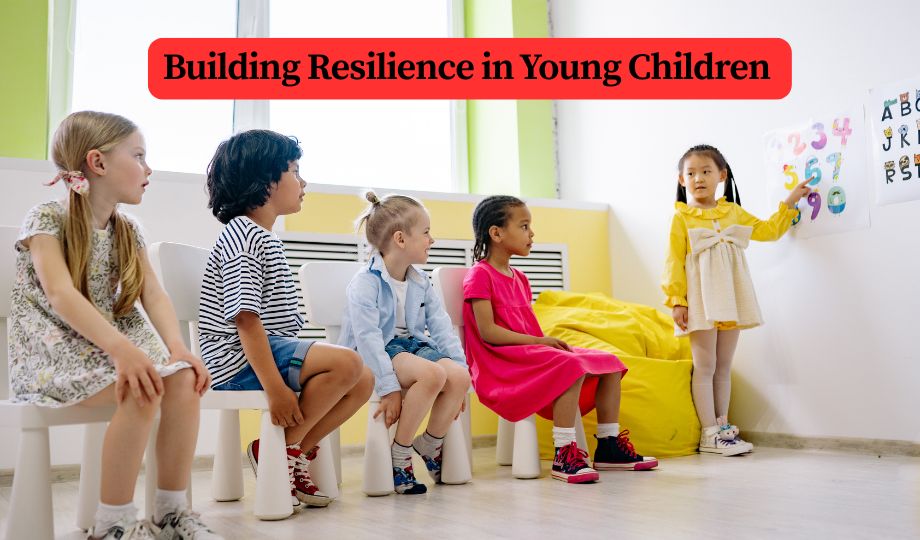
Building Resilience in Young Children from an Early Age: A Guide for Parents and Schools
March 11, 2026
Raising resilient children has become one of the most important goals for modern parents and educators. In today’s fast-changing world, children face emotional, social, and academic challenges from an early age. Resilience helps them cope with these challenges, adapt to change, and grow stronger through difficult situations.
Resilient children do not avoid problems. Instead, they learn how to face difficulties, manage emotions, and find solutions. When parents and caregivers start building resilience early in childhood, they create a strong foundation for lifelong mental and emotional well-being.
Understanding Resilience in Early Childhood
What Is Resilience?
Resilience is the ability to bounce back from challenges, adapt to change, and keep trying even when things feel hard. In early childhood, resilience doesn’t mean handling everything alone — it means learning that setbacks are part of growing, and that trusted adults are there to help. The early years are a powerful time to nurture this lifelong skill.
For young children, resilience often appears in simple behaviors. For example, a child may try again after failing to build a block tower or find another way to solve a puzzle. These small experiences teach persistence and confidence.
What Does Resilience Look Like in Young Children?
In preschoolers, resilience may look like:
- Trying again after a tower falls down
- Recovering quickly after disappointment
- Asking for help when something feels difficult
- Gradually separating more confidently from caregivers
These small, everyday moments are the building blocks of emotional strength.
Why Early Resilience Matters
Research shows that strong, supportive relationships are the most important factor in helping children manage stress and adversity. When children feel safe, valued and understood, they are more willing to take healthy risks and face new challenges.
Resilience in early childhood is linked to:
- Greater confidence
- Stronger problem-solving skills
- Healthier peer relationships
- Improved emotional regulation
- Long-term academic success
Signs of Resilient Behavior in Kids
Parents and teachers can identify resilience in young children through several behaviors. These may include:
- Trying again after making mistakes
- Expressing emotions in healthy ways
- Asking for help when needed
- Showing curiosity and willingness to learn
- Adapting to new environments or routines
Recognizing these behaviors helps adults encourage and strengthen resilience over time.
Why Early Childhood Is the Best Time to Develop Resilience
- Brain Development in Early Years
Early childhood is a critical stage of brain development. During the first few years of life, a child’s brain forms millions of neural connections that influence emotional regulation, decision-making, and learning abilities.
Positive experiences during this period help children develop strong coping skills. When caregivers provide support and encouragement, children learn how to handle stress and build emotional strength.
- How Early Experiences Shape Emotional Strength
Every experience shapes a child’s emotional growth. Supportive interactions with parents, caregivers, and teachers help children understand emotions and develop confidence.
For example, when a caregiver calmly helps a child through frustration, the child learns that challenges are manageable. Over time, these experiences teach patience, perseverance, and self-control.
- Role of Parents and Caregivers
Parents and caregivers play a central role in developing resilience. Children observe how adults react to stress and challenges. When adults respond calmly and positively, children learn to adopt similar behaviors.
Providing a safe environment, listening to children’s feelings, and encouraging independence all contribute to building resilience.
Key Factors That Help Build Resilience in Children
- Secure Relationships with Parents and Caregivers
Strong emotional bonds create a sense of security for children. When children trust their caregivers, they feel safe exploring the world and trying new experiences.
A loving relationship also gives children the confidence to face challenges because they know someone will support them.
- Emotional Support and Encouragement
Children need encouragement when they encounter difficulties. Positive reinforcement helps them believe in their abilities.
Instead of focusing only on success, adults should praise effort and persistence. This approach teaches children that mistakes are part of learning.
- Safe and Stable Environment
A stable environment helps children feel secure. Predictable routines, consistent rules, and supportive adults reduce stress and help children focus on learning and growth.
- Opportunities for Problem-Solving
Children develop resilience when they solve problems independently. Adults should guide children rather than solving every problem for them.
Simple tasks like completing puzzles, resolving conflicts during play, or organizing toys allow children to practice decision-making.
Practical Ways to Build Resilience in Young Children
- Teaching Emotional Awareness
Children must first understand their emotions before they can manage them. Parents can help by naming emotions such as happiness, sadness, frustration, or excitement.
When children learn to express their feelings with words, they gain better control over their emotional responses.
- Encouraging Independence
Allowing children to complete age-appropriate tasks builds confidence. Activities like dressing themselves, choosing toys, or helping with small household chores give children a sense of responsibility.
These small achievements help children develop self-confidence and problem-solving skills.
- Allowing Children to Learn from Mistakes
Mistakes provide valuable learning opportunities. Instead of immediately correcting children, adults should allow them to explore solutions.
For example, if a child struggles to stack blocks, encouraging them to try again helps them develop patience and persistence.
- Promoting Positive Thinking
Positive thinking helps children approach challenges with confidence. Adults can encourage this mindset by highlighting strengths and progress.
Phrases like “You tried your best” or “Let’s try another way” teach children to focus on effort rather than failure.
- Developing Social Skills
Strong social connections contribute to resilience. Children who build friendships learn cooperation, empathy, and communication.
Playtime with peers provides opportunities to practice sharing, resolving conflicts, and working together.
Activities That Strengthen Resilience in Kids
- Storytelling and Role Play
Stories often present characters who overcome challenges. Reading and discussing such stories helps children understand how people deal with difficulties.
Role-playing activities also allow children to practice emotional responses and problem-solving skills.
- Group Play and Team Activities
Group play encourages cooperation and teamwork. Children learn to share responsibilities, support others, and handle both winning and losing.
These experiences build emotional strength and social confidence.
- Creative Arts and Expression
Art and creativity activities, such as drawing, painting, and music, allow children to express emotions creatively. Creative expression helps children process feelings and develop confidence in their abilities.
- Outdoor Exploration
Outdoor play provides opportunities for adventure and discovery. Climbing, running, and exploring nature challenge children physically and mentally.
These activities encourage risk-taking in a safe environment, which strengthens resilience.
How We Build Resilience at Preschool
At our preschool, resilience is nurtured each day intentionally.
- Encourage problem-solving instead of immediately fixing challenges
- Teach emotional awareness so children can express feelings with words
- Model calm responses during moments of frustration
- Create predictable routines to build a sense of security
- Celebrate effort more than perfection
When children learn that mistakes are opportunities to learn, they develop confidence in their abilities.
Simple Ways Families Can Foster Resilience at Home
Resilience grows through everyday experiences. Families can support this by:
- Allowing children to attempt age-appropriate tasks independently
- Praising effort (“You worked so hard on that!”)
- Maintaining consistent routines
- Teaching coping strategies like deep breathing
- Helping children reflect after challenges (“What could we try next time?”)
It can be tempting to step in quickly when a child struggles, but giving children the space to try — while staying close and supportive — strengthens their confidence.
Common Challenges Parents Face
- Overprotective Parenting
Many parents try to protect their children from every difficulty. However, excessive protection can prevent children from developing problem-solving skills.
Allowing children to face manageable challenges helps them grow stronger and more confident.
- Managing Children’s Emotional Outbursts
Young children often express emotions intensely. Instead of reacting with frustration, adults should guide children toward calm communication and understanding, and should know how to manage the emotional outbursts
- Handling Failure and Disappointment
Failure can feel overwhelming for children. Parents should reassure children that mistakes are normal and encourage them to try again.
Long-Term Benefits of Raising Resilient Children
- Better Emotional Regulation
Resilient children learn how to control their emotions and respond calmly to stressful situations.
- Stronger Problem-Solving Skills
Children who face challenges early develop creative thinking and decision-making abilities.
- Improved Academic and Social Success
Resilience helps children adapt to new environments, build friendships, and perform better in school.
Conclusion
Building resilience in young children requires patience, guidance, and consistent support. Parents, caregivers, and teachers must work together to create environments where children feel safe to explore, learn, and grow.
When adults encourage independence, support emotional expression, and allow children to learn from mistakes, they help children develop the strength to face life’s challenges. Over time, these experiences shape confident, capable individuals who can adapt, overcome obstacles, and thrive in any situation.