


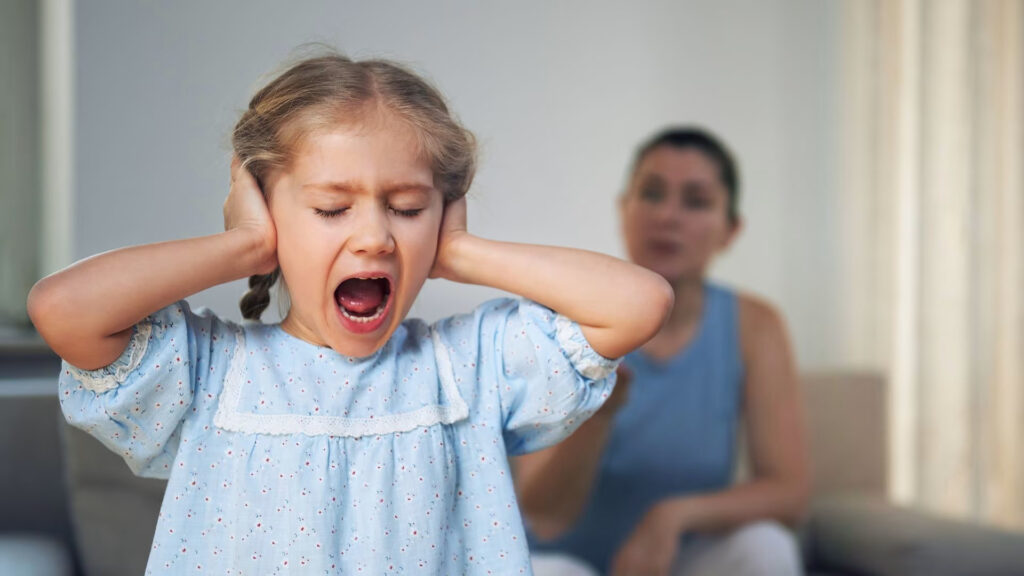
Understanding Emotional Outbursts in Toddlers: what is normal and what is not
February 20, 2026
Toddlerhood is a time of incredible growth. Children are learning new words, testing independence, and trying to understand big feelings – often all at once. Emotional outbursts can feel overwhelming for parents and caregivers, but in many cases, they are a completely normal part of development.
1. Why do Toddlers have Emotional Outbursts?
Between the ages of 1 and 3, children are:
- Developing language skills (but may not yet have the words to express frustration)
- Learning independence (“I do it!”)
- Experiencing strong emotions for the first time
- Still building self-regulation skills
Tantrums, crying, yelling, and even dropping to the floor are common ways toddlers express feelings like anger, disappointment, fatigue or overstimulation.
In fact, research in early childhood development shows that emotional regulation skills continue developing well into the preschool years and beyond. Toddlers rely heavily on adults to help them co-regulate and feel safe.
2. What’s Considered Normal?
Most toddlers:
- Have tantrums that last between a few minutes and 15 minutes
- Calm down with comfort, distraction, or time
- Show a wide range of emotions throughout the day
- Are generally happy, engaged, and connected between outbursts
Outbursts often happen during transitions (leaving the playground) when tired or hungry or when a child is told “no.”
These behaviors, while challenging, are a healthy sign that your child is learning to navigate emotions.
3. When do we need to look a little closer?
While emotional outbursts are common, there are times when additional support may be helpful. Consider speaking with your pediatrician if your child:
- Has tantrums that regularly last longer than 20–30 minutes
- Becomes aggressive in ways that cause harm to themselves or others
- Has difficulty calming down, even with adult support
- Shows delays in speech or social interaction
- Rarely makes eye contact or seems disconnected
Early intervention can make a meaningful difference, and reaching out for guidance is always a positive step — not a sign of failure.
What Emotional Outbursts Look Like by Age
Emotional outbursts don’t look the same across the lifespan. The triggers, intensity, and expression vary depending on developmental stage, brain maturity, and social expectations. Understanding age-specific patterns helps distinguish normal behavior from signs that may need support.
Toddlers (1–3 Years)
What it looks like:
- Crying, screaming, kicking, and hitting
- Throwing objects
- Lying on the floor during tantrums
Why does it happen:
At this stage, children lack language skills and emotional regulation capacity. The prefrontal cortex (responsible for impulse control) is still immature, so frustration quickly becomes a full-body reaction.
Common triggers:
Hunger, fatigue, overstimulation, transitions, and being told “no.”
Early Childhood (4–7 Years)
What it looks like:
- Yelling or arguing
- Dramatic crying
- Blaming others
- Door slamming
Why does it happen:
Children start understanding rules, but still struggle with impulse control. Emotional awareness improves, but regulation skills are inconsistent.
Common triggers:
Sharing conflicts, school stress, feeling misunderstood, and attention-seeking.
Preteens (8–12 Years)
What it looks like:
- Irritability
- Sudden anger
- Social withdrawal
- Overreaction to criticism
Why does it happen:
Cognitive development increases self-awareness. Peer approval becomes important. Emotional intensity may rise due to early hormonal shifts.
Common triggers:
Friendship issues, academic pressure, comparison, and embarrassment.
Teenagers (13–18 Years)
What it looks like:
- Explosive arguments
- Mood swings
- Silent treatment
- Risk-taking behavior
Why does it happen:
Hormonal changes and ongoing brain development (especially in emotional centers like the amygdala) heighten reactivity. The logical brain still lags behind emotional impulses.
Common triggers:
Identity struggles, peer rejection, romantic issues, and parental conflict.
4. How can we support Emotional Development at Preschool
At pre-school, we should focus on:
- Modeling calm responses
- Creating predictable routines
- Encouraging problem-solving skills
Emotional learning is just as important as academic readiness. When children feel safe and understood, they build the foundation for lifelong resilience.
How Families Can Help at Home
- Keep routines consistent
- Offer simple choices to build independence
- Stay calm during big emotions
- Validate feelings, even while setting limits
- Prioritize sleep and nutrition
Remember: a tantrum is not a sign of bad parenting or a “bad child.” It is often a sign of a child who needs support in learning how to manage overwhelming feelings.
Toddler emotions can be intense – but they are also temporary. With patience, consistency, and partnership between school and home, children learn that all feelings are manageable and that trusted adults are there to help.